FP&Ai Podcast: Ep 6: When Finance Is A Business Partner
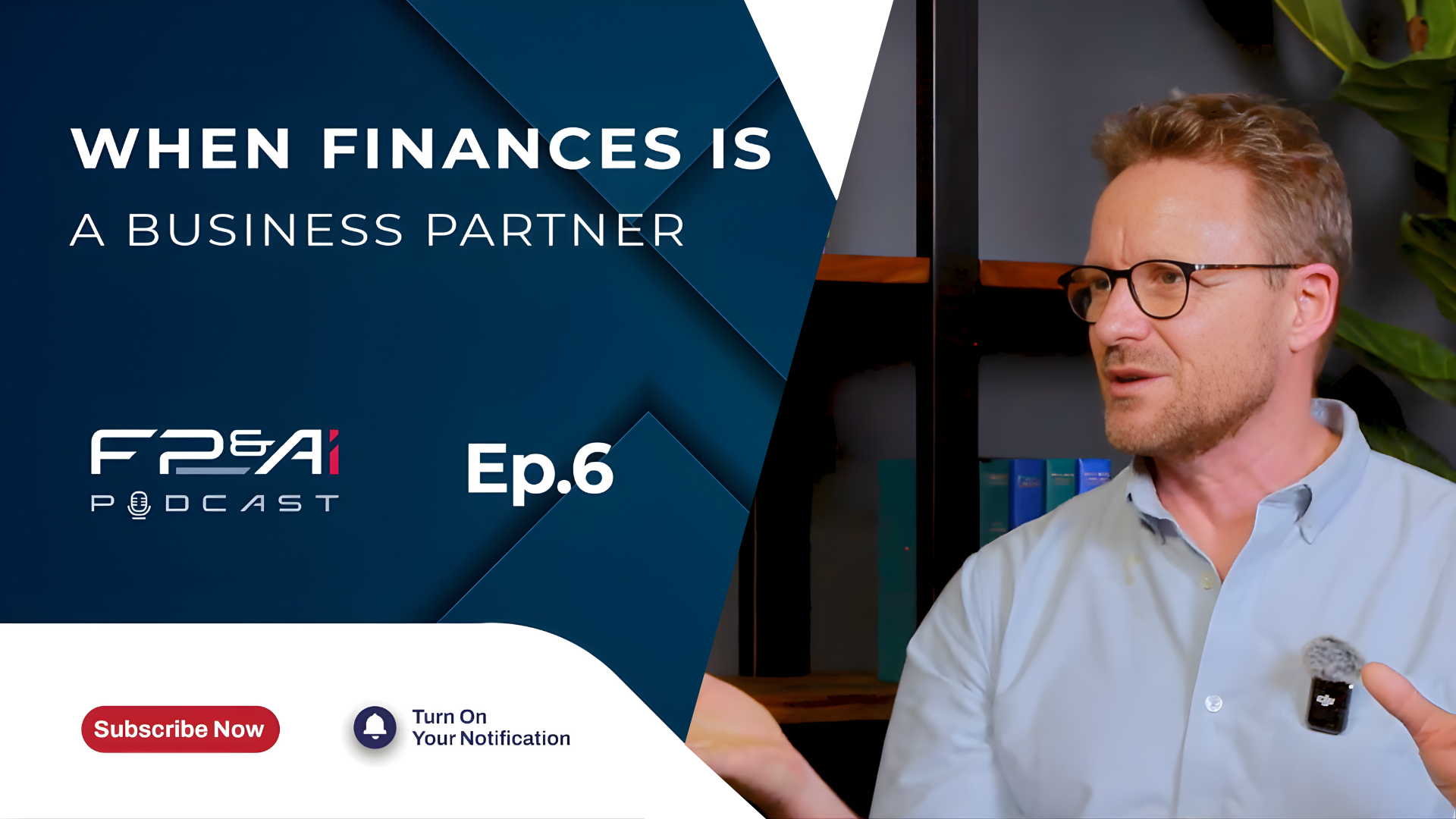
Join us for Part 3 of Episode 6 as we continue the conversation with Andrew Brown, diving deeper into his journey, the pivotal moments that shaped his leadership, and the strategies he uses to build resilient teams. Whether you’re a CEO, HR leader, or someone keen on leadership development, this segment offers actionable insights and authentic stories you won’t want to miss.
Part 1: Driver-Based Modeling & The "Why" Behind Numbers
[0:04] Introduction: Host Roger Knocker introduces Andrew Brown, noting his background in Accenture and medical technology, and frames the discussion around how finance teams can remain relevant. Knocker interviews Brown as a leadership coach with deep cross-industry experience.
[3:41] Beyond the Spreadsheet: Brown explains that while product teams often bring optimism, finance adds value by rigorously validating costs and revenue. He emphasizes that finance’s role is not to reject ideas, but to ensure proposed numbers reflect reality.
[5:02] Driver-Based Models: Brown highlights that finance professionals must move beyond simply inserting numbers into a budget.
The Shift: He stresses the need to build models based on operational drivers such as quantities, pricing, headcount, and staff grades.
The Benefit: According to Brown, business leaders intuitively understand these drivers, even if they do not fully grasp accounting terminology, which creates alignment between teams.
[8:25] Continuous Feedback: Brown notes that one cannot steer a vehicle that isn’t moving. Real-time metrics enable small, daily adjustments rather than reactive shocks at month-end.
Part 2: Speed, Context, and Breaking Silos
[9:57] The Need for Speed: Brown states that operational leaders cannot work effectively when financial data arrives three weeks late. He argues that the expectation should be a turnaround of three to four days.
[11:56] Driving Blind: He describes how delayed reporting leaves business owners “driving blind,” causing significant stress as they struggle to manage cash flow or make informed decisions without current information.
[14:06] The Missing Story: Brown observes that accountants typically provide the what—such as an income statement—but often fail to explain the why. He says finance must connect financial outcomes to operational realities such as downtime, rework, or issues with specific customers.
[15:30] Breaking Silos: Brown argues that finance, HR, and IT should not operate as siloed “staff functions.” Instead, they need to integrate fully into the value chain, from sales to delivery to collections.
[20:28] Shared Accountability: He asserts that finance cannot exclude itself from business KPIs like profit.
[22:28] The Rugby Analogy: Brown compares effective organizations to the Springboks, where both starters and bench players share ownership of the final score. He emphasizes that finance is part of the team, not merely a scorekeeper, echoing the message that “we are stronger together.”
Part 3: Leadership & Adaptability
[27:52] Rotating Leadership: Brown discusses the value of rotating Finance Directors between divisions or geographies every few years. This prevents complacency and brings fresh perspectives to long-standing challenges.
[33:22] Resilience in Chaos: He notes that leaders raised in challenging or chaotic environments—such as South Africa or India—often learn to block out distractions, prioritize effectively, and solve problems with exceptional clarity.
Part 4: The 3 Killer Skills for Future Finance Professionals
Andrew Brown identifies three areas where analytical finance professionals need to grow:
[35:10] EQ and Empathy: He says finance professionals must move beyond being purely cerebral or task-oriented. Developing self-awareness and understanding emotional triggers are essential to leading teams effectively.
[37:48] Strategic Thinking: Brown stresses the importance of shifting from operational or transactional work (looking backward) to activities that create tactical and strategic value (looking forward).
[38:49] Self-Regulation (Burnout Prevention): He warns that the finance “monthly treadmill” is relentless. Professionals must manage their own well-being and avoid pushing lean teams to exhaustion.
Part 5: Owning the Strategy
[41:29] The Finance Opportunity: Brown believes finance is uniquely positioned to facilitate and coordinate the corporate strategy process.
[41:59] The Strategy Model: Core Strategy: Focus areas such as market, product, and geography.
Strategic Capabilities: Investments in plant, people, and systems—where finance plays a critical role in costing scenarios.
Strategic Execution: Ongoing monitoring of the strategic plan.
[47:43] The Glue: Brown concludes that finance should serve as the “glue” holding strategy execution together—tracking progress, ensuring alignment, breaking silos, and helping the organization win.